After-School Resilience Labs
Safe afternoon spaces where children receive homework support, a warm meal, guided recreation, and consistent mentoring that helps reduce absenteeism and social isolation.
Bona Fides delivers community-based programs that respond to immediate risk while helping children, youth, and caregivers build stronger routines, stronger relationships, and stronger links to the institutions meant to support them.
Each program track is designed to stand on its own while also connecting participants to deeper case support, trusted referrals, and long-term community accompaniment.
Safe afternoon spaces where children receive homework support, a warm meal, guided recreation, and consistent mentoring that helps reduce absenteeism and social isolation.

Individualized case support for households facing income disruption, school breakdown, housing pressure, or urgent protection concerns, coordinated alongside local schools and service providers.
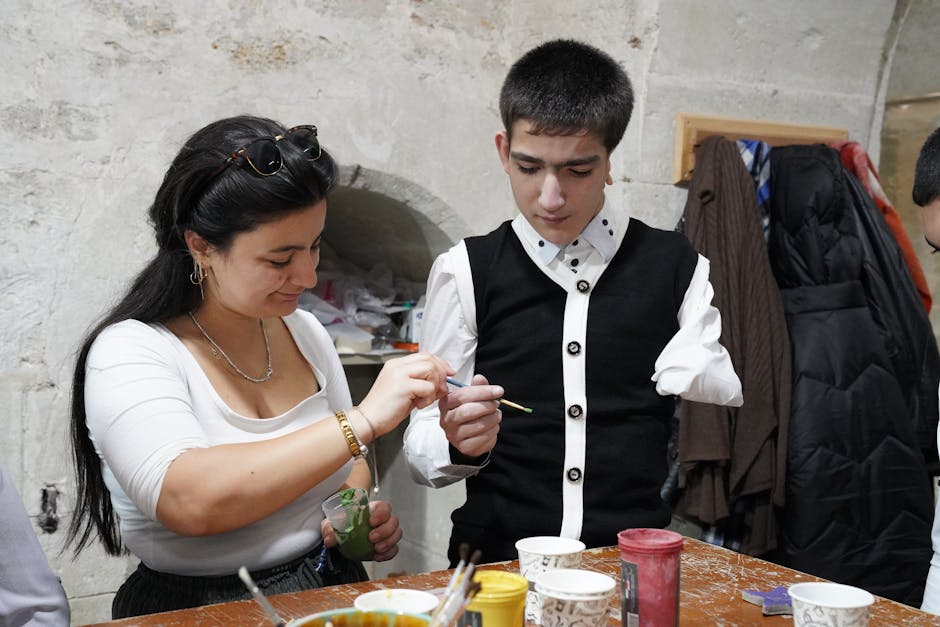
Workshops and peer-led labs that help adolescents practice public speaking, project design, advocacy, and community problem-solving in ways that strengthen confidence and local ownership.

Mobile fieldwork and listening visits that identify emerging risks early, connect residents with support options, and strengthen trust between families and formal service systems.
Our program model moves participants from first contact to deeper stability. A child entering an after-school space may lead to family case coordination; a youth leadership workshop may reveal a need for counseling, educational advocacy, or household support.
Bona Fides programs are built with schools, caregivers, local leaders, and specialists so support can continue beyond a single session. We prioritize consistency, dignity, and coordination over one-time activity.


A referral may begin in outreach, school engagement, or family support. From there, staff identify immediate barriers, connect the participant with the right activity or service track, and coordinate follow-up with caregivers and partners.
This structure allows programs to stay relational and community-based while still producing reliable, organized responses for education continuity, child protection, family stability, and youth participation.
Academic support is paired with belonging, supervision, and consistent adult presence.
Families stay better connected when support plans are understandable and shared.
Young people help identify service gaps and shape responses that adults may miss.
Field contact often becomes the bridge to structured services and referral pathways.
Support becomes more durable when multiple actors move in the same direction.
Strong delivery depends on preparation, shared information, and reliable next actions.
Place matters because access, trust, and partnership all depend on local presence.